How to Install a Solar Well Pump and Hook Up to Solar Panels
Date
Category
Knowledge
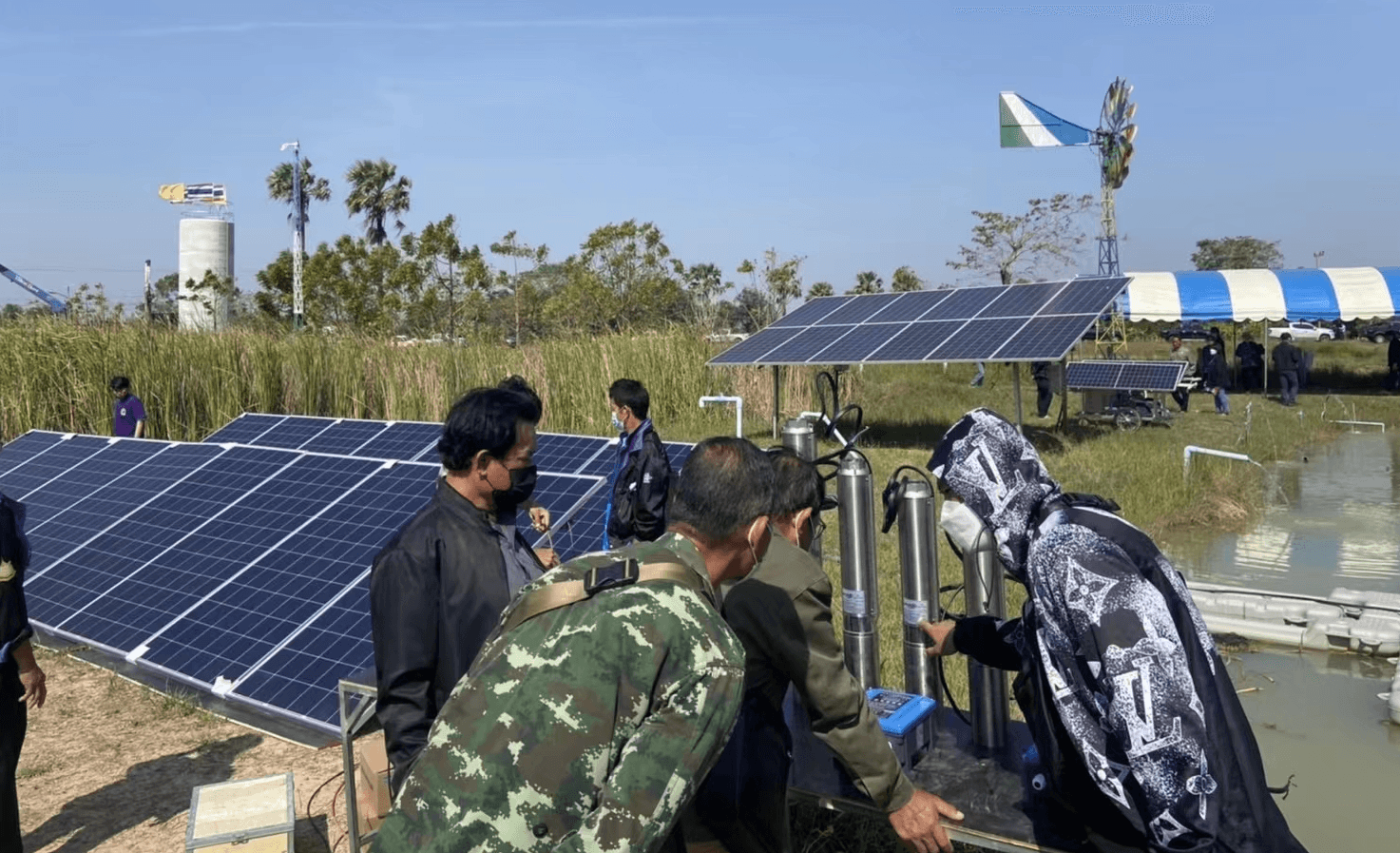
For rural homes, livestock farms, pastures, or off-grid areas, well pumps are essential for daily water access. However, relying solely on grid power to run a well pump often means high ongoing electricity costs, and any power outage, voltage fluctuation, or wiring failure can immediately cut off your water supply. A solar-powered well pump system is the perfect clean energy solution to these problems—it converts sunlight into electricity to pump water independently, freeing you from grid reliance while cutting long-term costs and reducing environmental impact. This complete guide breaks down system principles, component selection, panel sizing, installation steps, critical safety warnings, and routine maintenance to help you build a reliable solar well pump system from start to finish.
1. What Is the Basic Working Principle of Solar Well Pump Systems?
A solar well pump system works by converting sunlight into usable electricity through solar panels, then regulating that power to drive the well pump and extract groundwater. This setup can run both standard AC well pumps and specialized DC solar pumps, as long as the power conversion and control components are properly matched. For round-the-clock water access—even after dark or on cloudy days—adding a battery storage bank will keep the system operating continuously.
2. How Do You Calculate Solar Panel Sizing Based on Pump Horsepower?
The number of solar panels required is strictly matched according to the well pump horsepower. The intuitive parameter matching table below clearly lists the standard configuration for different pumps:
Pump Type | Pump Horsepower | Solar Panel Configuration |
|---|---|---|
Residential Small Pump | 1/2 HP | 2 × 100W Solar Panels |
Large Industrial & Farm Pump | 5 HP | Approx. 20 × 100W Solar Panels |
High-Efficiency DC Pump (Permanent Magnet Motor) | 1/2 HP (RPS 200) | 2 × 100W Solar Panels |
3. What Are the Key Components of a Solar Well Pump System and Their Functions?
A fully functional solar well pump system includes five core parts, each serving a vital role in reliable performance:
Solar Panel Array: The energy foundation of the system, capturing sunlight and converting it into direct current (DC) electricity.
Inverter: Required for standard AC well pumps, it converts DC power from solar panels into alternating current (AC) compatible with the pump motor.
Pump Controller: Acts as the system’s control center, regulating voltage and current flow to the pump to prevent damage from unstable power.
Battery Bank: An optional but highly useful component that stores excess solar energy for use during low-light conditions or nighttime pumping.
Well Pump: The end device that submerges into the well to draw and deliver groundwater to the surface.
4. What Is the Step-by-Step Standard Installation Process for Solar Well Pumps?
Assess your water needs: Calculate daily water usage, expected pumping hours, and confirm your pump’s power rating and well depth.
Choose the right pump: Select a solar-compatible well pump that fits your well depth, water demand, and power system type.
Mount solar panels: Install panels in a location with maximum unobstructed sunlight to ensure optimal energy production.
Install control and conversion parts: Set up the inverter and pump controller, then complete wiring and preliminary settings.
Connect the well pump: Lower and secure the pump in the well, then wire it to the full solar power system.
Test and adjust: Run a full system test to check water flow, power stability, and performance; fix any issues and fine-tune settings as needed.
5. Can You Run a Well Pump Directly from Solar Panels? (Critical Warning)
While a direct connection between solar panels and a well pump may briefly power the motor in bright sunlight, this practice is strongly discouraged for long-term use. Well pumps need a large surge of current to start, and solar panels alone cannot provide consistent, stable startup power. In low-light conditions—such as early morning, late evening, or cloudy weather—the pump will repeatedly cycle on and off or attempt forced starts, which quickly burns out the motor, accelerates part wear, and drastically shortens the pump’s lifespan.
6. What Are the Top Benefits of Solar-Powered Well Pumps?
Cost Savings: Eliminates monthly electric bills for water pumping, with very low ongoing costs after initial installation.
Eco-Friendly: Runs on renewable solar energy with zero emissions and no environmental pollution.
Energy Independence: With a battery backup, the system works reliably even without grid power, ideal for outages and remote locations.
7. How Do You Perform Routine Maintenance and Troubleshooting for Solar Well Pumps?
Clean solar panels regularly to remove dust, dirt, and debris, maintaining maximum light absorption and efficiency.
Monitor system performance routinely; address slow water flow, irregular cycling, or power drops immediately.
If using a battery bank, perform proper battery maintenance to preserve charging capacity and service life.
Have a qualified technician inspect the system periodically to catch small issues early and extend overall system life.
Conclusion
Solar-powered well pump systems solve the biggest flaws of traditional grid-powered pumps: high electricity costs, unreliable power access, and inability to function off-grid. They are economical, practical, and environmentally sustainable. With a clear understanding of system mechanics, proper component selection, correct installation, and regular care, solar well pumps provide consistent, independent, low-cost water access for homes, farms, pastures, and remote installations alike.
Relevant Models

4SPN3-13
3000W/4.02HP 1.25 Inches Well Solar Submersible Pump in Kenya For Fish Farming

3SPN1-11P
1.5 Inches Brushless Submersible DC Solar Water Pump for Agriculture Irrigation.

4spk3-13
External Stainless Steel 304 Solar Submersible Pump for Hotels

4spk3-6
External Stainless Steel 304 Solar Submersible Pump for Fountains
More Newscases